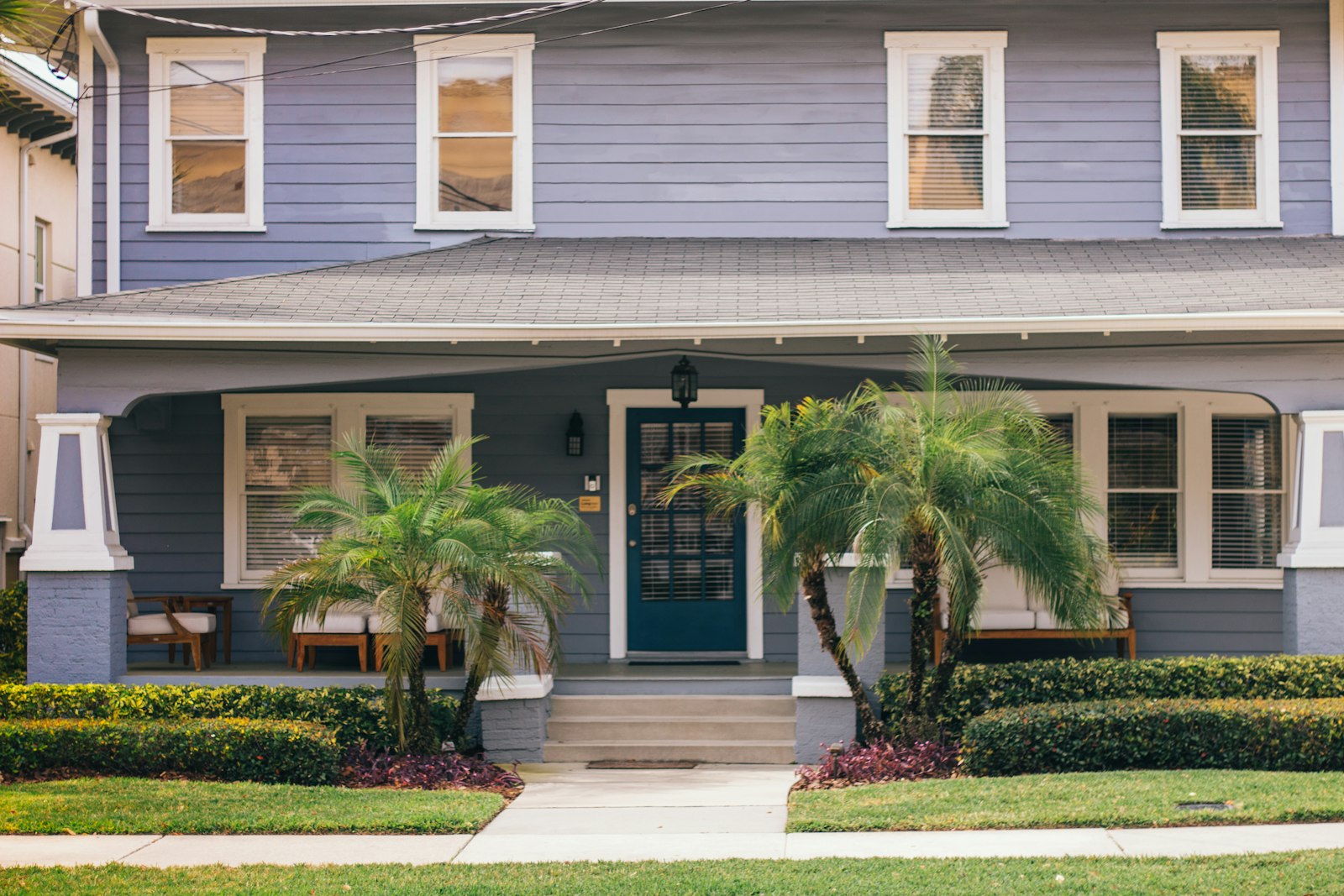
Type “sober living Miami” into a search bar and you’ll get pages of results: sober houses, halfway houses, recovery residences, transitional living, “luxury” homes, homes that promise everything, homes that explain nothing. If you’re a woman leaving treatment — or a parent trying to help her — it can be impossible to tell what’s what.
So let’s do this like a consumer report. Below, we break down the different kinds of sober housing you’ll find in Miami, what Florida law actually says, what to check before you sign anything, and the warning signs that should send you straight back to your search results. We run a women’s sober living home ourselves, so we have a point of view. But the checklist works for any home — including ours.
Sober house, halfway house, recovery residence: what’s the difference?
People use these terms interchangeably, and in everyday conversation that’s fine. But there are real differences worth understanding.
Sober living home / sober house
A privately run, substance-free home where residents in recovery live together, pay rent and follow house rules. Residents typically work, study or attend outpatient treatment during the day. Stays are flexible and usually depend on the resident’s progress and goals. In Miami, “sober house” and “sober living” almost always mean the same thing.
Halfway house
Historically, “halfway house” has meant housing halfway between an institution and independent life — often connected to a treatment program, a government agency or the criminal justice system. Halfway houses may have time limits, mandatory programming or eligibility rules. Today many people search “halfway house Miami” when they really mean sober living, so it’s worth asking any home exactly which model it follows.
Recovery residence
This is the term Florida law uses. In Florida, a recovery residence is a residential dwelling that provides a peer-supported, alcohol-free and drug-free living environment. The state runs a voluntary certification program for these residences, which we’ll explain below.
The label matters less than the substance. A well-run “sober house” and a well-run “recovery residence” may look nearly identical. What you’re really evaluating is structure, safety, honesty and support. For a fuller comparison, see our article on sober living rules, costs and the halfway house question.

A calm room to come home to · Photo: Point3D Commercial Imaging Ltd. on Unsplash
Why so many women choose sober living in Florida
South Florida is one of the country’s best-known recovery destinations, and Miami-Dade sits right at its heart. There are practical reasons women choose sober living in Florida rather than going straight home after treatment:
- A deep recovery community. AA, NA and other meetings run morning to night, in English and Spanish. See AA Meetings in Miami and NA and Al-Anon meetings in Miami.
- Continuity of care. Many women continue outpatient programs, therapy and medical care locally while living in a structured home.
- Distance from old patterns. For some, a fresh start away from familiar people and places makes the first months easier.
- Work and daily life. Miami’s large, bilingual economy offers jobs and schools for women rebuilding their lives.
- Sunshine and the outdoors. When healthy routines can happen outside nearly year-round, they’re easier to keep. (More in Life in Miami.)
What Florida law says about sober living
Here’s the part most search results skip.
Voluntary certification
Florida’s Department of Children and Families approves a credentialing entity to run a voluntary certification program for recovery residences. For residences, that entity is the Florida Association of Recovery Residences (FARR). Recovery residence administrators — the people who manage homes — are credentialed through the Florida Certification Board. Certification is voluntary, so not every home has it. But it gives you an independent standard to ask about.
Referral rules for treatment providers
Under section 397.4873 of the Florida Statutes, licensed service providers generally may not refer patients to a recovery residence — or accept referrals from one — unless the residence holds a valid certificate of compliance and is actively managed by a certified recovery residence administrator. There are limited exceptions written into the law. The statute also prohibits referrals to residences that allow alcohol, illegal drugs or the sharing of prescription medications.
In plain terms: if a treatment program is recommending a particular sober house to you, it’s reasonable to ask whether that home is certified — and to verify it yourself.
This is general information, not legal advice. Laws change; check the current statutes or ask a qualified professional about your situation.

Shared meals are part of the structure · Photo: Sweet Life on Unsplash
Does insurance cover sober living?
Usually not. Health insurance generally pays for medical and clinical treatment — detox, residential treatment, partial hospitalisation, intensive outpatient programs, therapy — but sober living is housing, so rent is typically paid by the resident or her family.
That said, insurance may cover the outpatient program a resident attends while living in a sober home, which can make the overall plan more affordable. Some women use wages from a job, savings, family support or, occasionally, community scholarships.
Be careful of any home that offers free or deeply discounted rent in exchange for enrolling in a specific treatment program, or that asks for your insurance card when you are only renting a room. Those are classic red flags in South Florida. Ethical homes charge fair rent and let you choose your own clinical care.
The Miami sober living checklist
Print this out. Ask every home every question. Compare the answers side by side.
Safety and standards
- Is the home certified through FARR? Can I verify it?
- Is it women-only? Who has keys and access to the house?
- How are drug and alcohol tests handled?
- How are prescription medications stored and managed?
- What happens if a resident uses? Is there a written relapse policy?
Structure and daily life
- What does a typical weekday look like?
- Are there house meetings, curfews and chores?
- How many recovery meetings are expected each week?
- Are residents expected to work, study or volunteer?
- Are rooms shared or private? How many residents live in the home?
Money and agreements
- What is the weekly or monthly rent, and exactly what does it include?
- Are there deposits, move-in fees or other charges? Are they refundable?
- Is there a written resident agreement I can read before moving in?
- Can I keep my own therapist, doctor and outpatient provider?
Location and logistics
- How close are AA, NA and other meetings?
- How do residents get to work, appointments and meetings?
- Can I visit the home, or see a video tour, before deciding?
A well-run home welcomes these questions. If a home dodges them, that tells you what you need to know. And don’t be shy about asking to speak with a current or former resident, if the home can arrange it with their permission. Hearing what daily life is really like — the good and the hard — is often more useful than any website, including this one.

Ask every question, every time · Photo: Jakub Żerdzicki on Unsplash
What a good first week should look like
You can learn a lot about a sober living home by asking how it handles a new resident’s first seven days. In a well-run women’s home in Miami, the first week usually looks something like this:
- Day one: a calm arrival, a walkthrough of the house and its guidelines, a signed resident agreement you’ve had time to read, and an introduction to the other women.
- Days two and three: your first house meeting, your first local AA or NA meetings (often with a housemate), and a simple plan for the week ahead.
- Days four and five: settling into the rhythm — chores, meals, curfew, outpatient appointments or a job search.
- The weekend: a little more breathing room, time outdoors, and a check-in about how the week went.
If a home can’t describe its first week clearly, that’s worth noticing. Structure is the whole point.
Questions that matter especially for women
Generic checklists often miss the issues women raise most. Before you choose a sober living home in Miami, consider asking:
- Visitors and privacy: Who can visit, when and where in the house? How is privacy protected at night?
- Children and family: How does the home support mothers — phone calls, visits, custody arrangements, school events?
- Health appointments: How are schedules and transportation coordinated for medical, therapy and outpatient visits?
- Medications: Does the home accept residents taking medications prescribed by their doctors, including medications for alcohol or opioid use disorder? How are they stored?
- Safety concerns: What should a resident do if she feels unsafe, and who will respond?
Many women find it easier to speak openly in a women-only setting. If you’d like to understand why, read Women Supporting Women in Recovery.
Red flags to walk away from
- No written rules, no written pricing, no written agreement.
- Pressure to decide today, or a deal that “expires tonight.”
- Free rent, cash, gifts or travel tied to a particular treatment program.
- Requests for your insurance card, benefits card or ID without a clear, documented reason.
- Residents who are obviously using, or staff who shrug it off.
- Refusal to let you see the house.
- Vague answers about certification or who actually manages the home.
Three common situations — and what to look for
“I’m finishing residential treatment next week.”
Prioritise structure and a smooth handoff. Look for a home that can coordinate with your discharge plan, has a clear first-week routine and is close to your outpatient program and meetings. Arriving on a weekday, in daylight, with a plan for your first evening meeting makes a real difference.
“I’m in outpatient treatment and need a safer place to live.”
Look for a home with strong peer support and reasonable flexibility around your program schedule. Ask how the house supports residents who are working and attending treatment at the same time.
“I’m a parent searching for my daughter.”
Ask every question on the checklist, and ask to speak with the person who manages the home. Understand what the home can and cannot share with you, given privacy rules. And take care of yourself — many parents find support in Al-Anon or Nar-Anon. Our article How Families Can Support Recovery is a good place to start.
How long do women stay in sober living?
There’s no single answer. Many residents stay at least ninety days, and many stay six months to a year. The best stays end with a plan: steady work or school, savings, a sponsor and home group, and a sober network to lean on after moving out. If you’re curious what the milestones along the way feel like, read 30, 60 and 90 days sober — and one year. And for the practical skills that make the move to independent living stick, see Life Skills for Independent Living.
Choose a home that welcomes your questions · Photo: Andrew Neel on Unsplash
Recover at Monarch: sober living for women in North Miami
We’re a structured, supportive sober living home for women at 947 NE 149th St, on a quiet, tree-shaded street just off Biscayne Boulevard. The residence sits on a large lot with a fenced yard, updated kitchens and baths, and a layout that balances shared space with privacy. You can see it for yourself on our home page and in the photo gallery, and learn how our days are structured in the Monarch experience.
Recover at Monarch · 947 NE 149th St, Miami, FL 33161 · Open in Google Maps
We welcome every question on this page. Call (949) 438-8568 and we’ll answer plainly — and put it in writing.
This article is general education, not medical or clinical advice. Everyone’s recovery is different — please speak with a qualified healthcare provider about your own situation. Recover at Monarch is not affiliated with or endorsed by Alcoholics Anonymous, Narcotics Anonymous or Al-Anon. Meeting times and locations change; confirm with the official directories before you go. If you or someone you love is in immediate danger, call 911. For crisis support, call or text 988. SAMHSA’s National Helpline is free, confidential and available 24/7 at 1-800-662-4357.