Every week, the same handful of questions reach our phone. What are the rules? How much does it cost? Is this a halfway house? What happens if I slip? They are good questions — the right questions — and they deserve straight answers rather than brochure language. So here they are, one at a time, in the order people usually ask them.
First, what exactly is sober living?
Sober living is substance-free housing for people in recovery. You live with other people who are also committed to sobriety, you pay rent, and you follow a set of house guidelines designed to keep the home safe and supportive. You go to work or school, attend recovery meetings and, often, continue outpatient treatment during the day.
Think of it as the bridge between a highly structured treatment setting and fully independent life. It gives you a stable place to practise the habits you learned in treatment before you have to carry them entirely on your own. For a fuller comparison, see Understanding Sober Living Versus Treatment.
Is sober living the same as a halfway house?
Not quite, although people often use the terms interchangeably. The distinction usually comes down to who runs the house and how long you can stay.
- Halfway houses are commonly connected to a treatment program, a government agency or the justice system. They often have a set time limit and may require residents to be enrolled in a specific program.
- Sober living homes are typically privately operated, funded by residents’ rent, and open to anyone committed to sobriety. Stays tend to be more flexible and are often guided by the resident’s own progress.
Both aim to provide a substance-free environment. The better question is not “what is it called?” but “how is it run?” In Florida, one useful signal is voluntary certification through the Florida Association of Recovery Residences, the credentialing entity approved by the state’s Department of Children and Families.

What are the usual sober living rules?
House rules vary from home to home, but most well-run residences share a core set. Here is what you can generally expect — and why each one exists.
No alcohol or drugs
This is the foundation. Alcohol, illicit drugs and non-prescribed medications are not allowed on the property. Many homes also restrict products containing alcohol, such as some mouthwashes and cooking wines. The reason is simple: everyone in the house deserves a safe place to stay sober.
Testing
Most homes conduct random and scheduled drug and alcohol testing. Residents usually find it reassuring rather than intrusive — it protects the whole household and gives each woman a clear record of her progress.
Curfew
Early curfews are common in the first weeks and often relax as residents build trust. Curfew is less about control than about rhythm: regular sleep is one of the most protective habits in early recovery.
Meeting attendance
Many homes ask residents to attend a set number of recovery meetings each week — AA, NA or another mutual-support group — and sometimes to bring proof of attendance. If you are new to meetings, read Your First AA Meeting: What to Expect.
Chores and shared spaces
Expect a chore rotation: kitchen, bathrooms, common areas, trash. A clean, orderly home is calming, and taking care of shared space is practice for taking care of your own life.
House meetings
Weekly house meetings give residents a place to resolve small issues before they become big ones, plan the week and support one another.
Work, school or service
Most homes expect residents to be working, studying, volunteering or actively job-hunting after an initial settling-in period. Purposeful days protect sobriety.
Visitors and overnights
Visitors are usually limited to common areas and certain hours, and overnight passes may be earned over time. In a women’s home, these rules also protect privacy and safety.
Respect and honesty
Violence, threats, theft and harassment are not tolerated. Honesty — especially about cravings or slips — is encouraged. Our article on creating healthy boundaries explains why respectful limits make shared living work.
What happens if someone relapses?
This is the question many people are afraid to ask. Policies vary, so ask each home directly and get the answer in writing. In general, a home’s first responsibility is the safety of every resident. A resident who uses may be asked to leave temporarily or permanently, or to go to a higher level of care such as detox or treatment. Some homes offer a path back once the resident is stable.
A well-run home handles this with clarity and compassion. A relapse is not the end of anyone’s recovery story, and the response should help the woman get to the right level of care quickly — while protecting the women who remain.

House dinners build trust · Photo: Kelsey Chance on Unsplash
How much does sober living cost?
The honest answer: it depends. Costs vary with location, whether rooms are shared or private, the size and condition of the home, and what is included. In South Florida, many homes quote rent weekly; others quote monthly.
Instead of chasing an “average” figure, ask every home the same precise questions:
- What is the weekly or monthly rent for a shared room, and for a private room?
- What is included — utilities, Wi-Fi, laundry, household supplies, food, testing, transportation?
- Is there a deposit, move-in fee or admin fee? Is any of it refundable?
- When is rent due, and what happens if it is late?
- What is the refund policy if I leave early?
Get the answers in writing before you move in. A trustworthy home will be glad to provide them.

Ask for every cost in writing · Photo: Recha Oktaviani on Unsplash
Does insurance cover sober living?
Usually not. Sober living is housing rather than medical treatment, so health insurance generally does not pay rent. However, insurance often does cover outpatient treatment that many residents attend while living in sober housing. Some residents use savings, wages from work, family support or, in some cases, community scholarship programs.
A caution specific to South Florida: be wary of any home offering free or heavily discounted rent in exchange for enrolling in a particular treatment program. Ethical homes charge fair rent and leave clinical choices to you and your providers.
What do you actually get for the money?
When people ask about cost, they are really asking about value. Here is what a good home provides that is difficult to replicate on your own:
- A substance-free environment at home, every day.
- Structure — a predictable rhythm of meals, meetings, chores and rest.
- Peer support from women who understand exactly what you are working through.
- Accountability that is caring rather than punitive. See The Importance of Accountability.
- Time — the months needed to rebuild routines, relationships and finances before living independently.
The National Institute on Alcohol Abuse and Alcoholism stresses that continuing support after treatment is an important part of long-term recovery. Sober living is one of the most practical ways to provide it.
What are the benefits of sober living for women specifically?
Beyond the general advantages above, women often describe a few benefits that are particular to a women-only home.
Honesty comes faster. Many women find it easier to talk openly about relationships, motherhood, money and self-worth when the room is full of other women. Those conversations are frequently where real change starts.
Safety is built in. A women’s residence can set visitor and privacy rules designed around women’s safety, which allows residents to rest — something that may not have been possible for a long time.
Role models are close by. Living with women who are a few months further along makes recovery tangible. You see someone go to work, keep her commitments, repair a relationship with her family, and you start to believe it is possible for you too. Read more in Women Supporting Women in Recovery.
What should families ask?
Parents, partners and adult children often make the first call. If that is you, the questions above all apply, and a few more are worth adding:
- How will we be kept informed, and what can you share given privacy rules?
- Are family visits encouraged, and when?
- What is the best way for us to support her without doing the work for her?
- Who do we contact in an emergency?
Our article on how families can support recovery offers more guidance for loved ones.
How long do people stay?
Many residents stay at least three months, and many stay six months to a year or longer. The best stays end with a plan: savings in place, a job or school schedule that works, a sponsor and home group, and a sober support network to lean on after moving out. Our guide to life skills for independent living covers that final stretch.
Still have questions?
Good. Keep asking them — of us and of every home you are considering. You will find more answers on our FAQ page, and you can see the Recover at Monarch residence for yourself on our home page.
Recover at Monarch · 947 NE 149th St, Miami, FL 33161 · Open in Google Maps
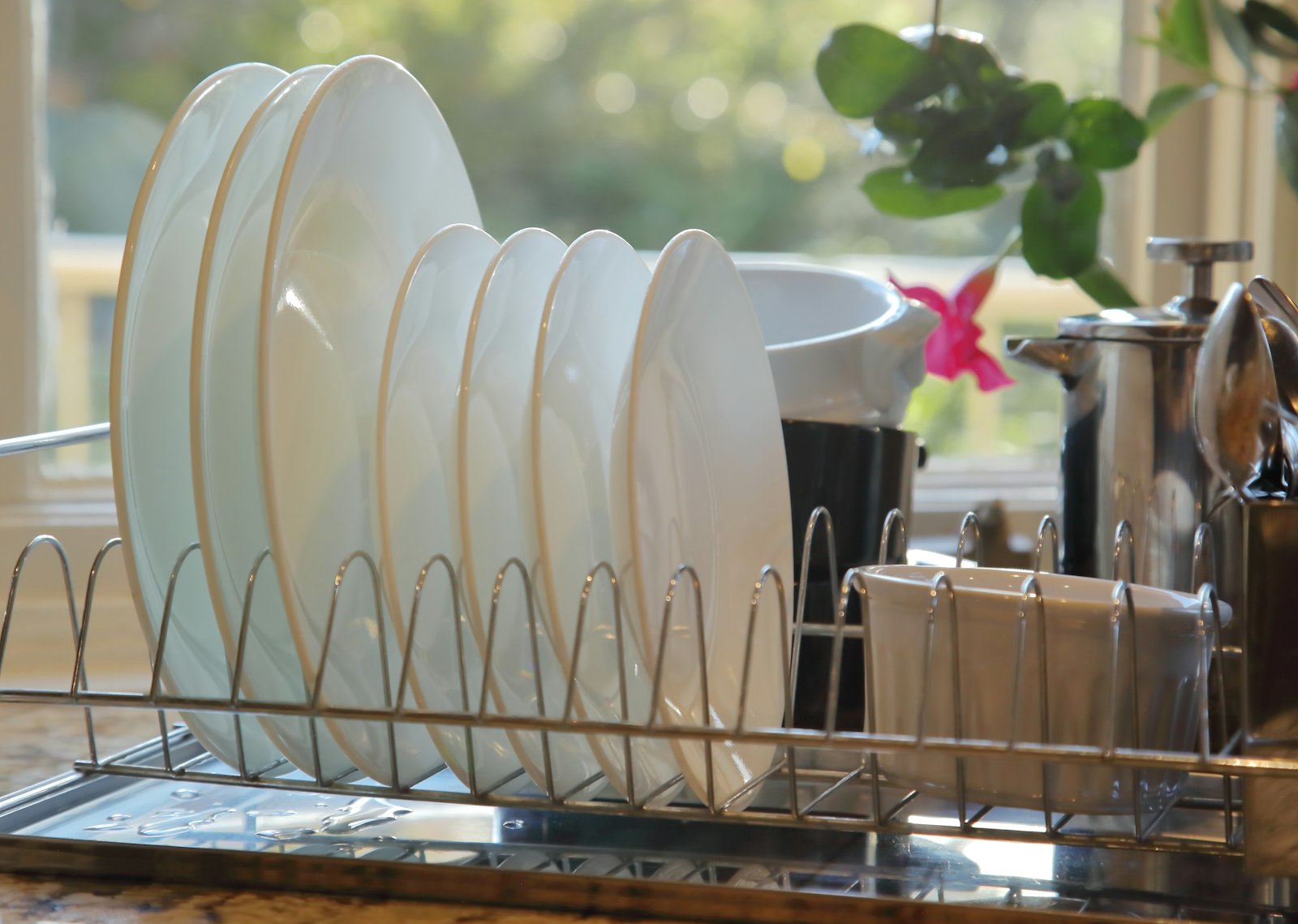
Shared chores, shared pride · Photo: Anna Khromova on Unsplash
When you are ready to talk, call (949) 438-8568. We will answer every question on this page, plainly, and send our guidelines in writing.
This article is general education, not medical or clinical advice. Everyone’s recovery is different — please speak with a qualified healthcare provider about your own situation. Alcoholics Anonymous is an independent fellowship; Recover at Monarch is not affiliated with or endorsed by A.A. If you or someone you love is in immediate danger, call 911. For crisis support, call or text 988. SAMHSA’s National Helpline is free, confidential and available 24/7 at 1-800-662-4357.