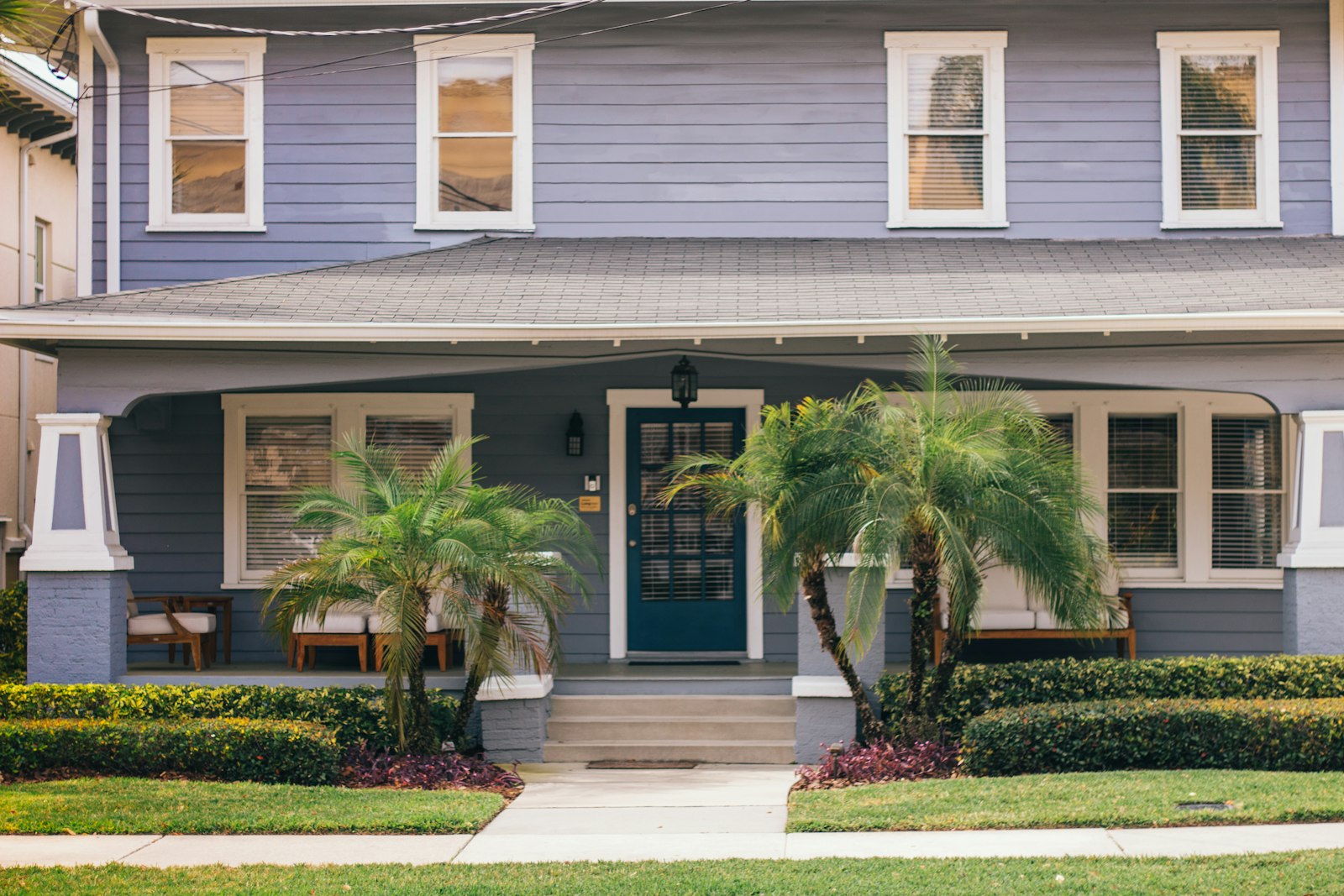
Ask ten people in Miami where the “best” AA meeting is and you’ll get eleven answers. That’s not a problem — it’s the point. Miami-Dade County has one of the deepest benches of Alcoholics Anonymous meetings anywhere in the country: early-morning coffee meetings before work, lunchtime meetings downtown, candlelit late-night groups, Spanish-language meetings, women’s meetings, LGBTQ+ meetings, beach meetings, online meetings. If you’re newly sober, or newly arrived, the sheer number can feel overwhelming.
So consider this your local’s guide. We’re not going to list specific groups and times (those change constantly, and the official directory does it better). Instead, we’ll show you how Miami’s AA map actually works — the neighbourhoods, the formats, the unwritten customs — so you can find your rooms faster and settle in sooner.
Start with the official Miami-Dade AA directory
Before anything else, bookmark the source of truth: the Miami-Dade Intergroup meeting directory. Intergroup is the local AA service office. Its listings are maintained by the groups themselves, and you can filter by day, time, region and type — including women’s meetings, Spanish-language meetings and online options.
Two more tools worth having on day one:
- The 24-hour helpline. Miami-Dade Intergroup lists a 24-hour AA helpline on its homepage at (305) 461-2425. Volunteers can point you to a meeting tonight, or simply talk.
- The Meeting Guide app. AA’s free app pulls listings from local service offices. Its support site explains how to find an A.A. meeting by location and filter.
Golden rule: always double-check a meeting on the day you plan to go. Venues move, groups merge, holiday schedules shift. A thirty-second check saves a wasted drive.
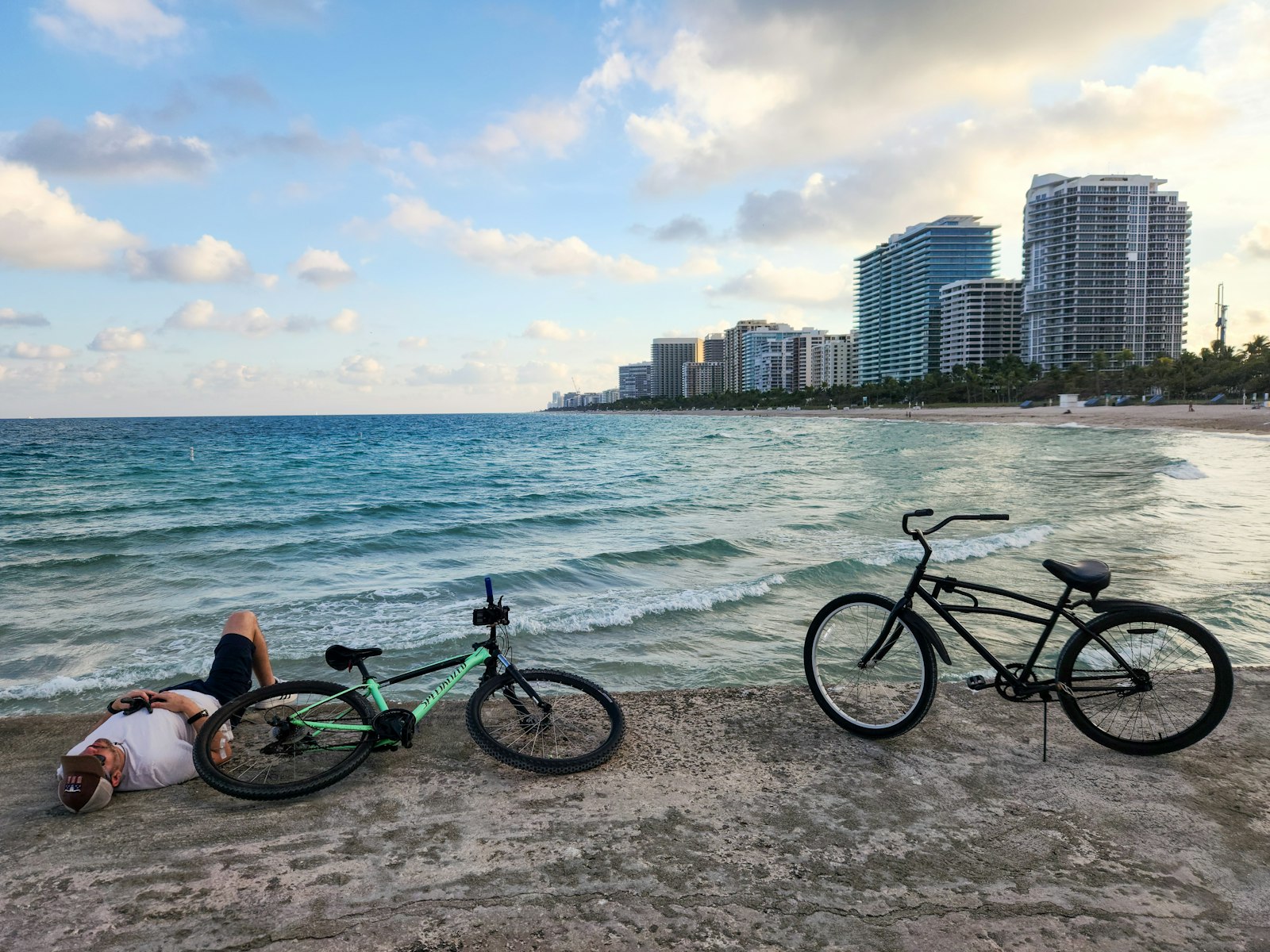
From South Beach to North Miami, there’s a meeting near you · Photo: Zoshua Colah on Unsplash
How Miami’s AA map works, neighbourhood by neighbourhood
Miami-Dade is big — the county stretches from the Broward line down past Homestead — and traffic is real. Most people end up with “home” meetings close to where they live or work. Here’s how the landscape tends to break down.
North Miami, North Miami Beach and Aventura
The northern part of the county has a steady mix of church-hall meetings, club rooms and women’s groups, with easy access along Biscayne Boulevard and NE 163rd Street. If you’re living in North Miami — as our residents do — this is likely where your home group will be. Searching “AA meetings North Miami” in the directory, filtered by region, is the fastest way in.
Miami Beach
Looking for AA meetings in Miami Beach? You’ll find plenty, from South Beach up through North Beach. Beach meetings have a distinct flavour: lots of visitors and seasonal residents, a strong LGBTQ+ recovery community, and a handful of outdoor or near-the-water meetings that make 7 a.m. feel like a gift. Parking can be tight; build in extra time.
Downtown, Brickell and Midtown
The urban core leans toward weekday lunchtime and after-work meetings — handy if you’re back at work in the city. Expect professionals in business clothes, quick formats and people who will happily walk you to the elevator afterwards and swap numbers.
Coral Gables, Coconut Grove and South Miami
Older, leafier neighbourhoods with long-running groups, many in church halls and community buildings. Some of Miami’s most established speaker meetings live here.
Kendall, Westchester and the west side
Suburban, family-oriented and heavily bilingual. If you’re looking for Spanish-language AA meetings in Miami, the western neighbourhoods are a natural place to look, alongside the Spanish online meetings listed by Intergroup.
Spanish-language AA meetings in Miami
This is Miami — of course there are meetings in Spanish. Many groups hold some or all of their meetings en español, and the Miami-Dade Intergroup site links to reuniones virtuales en español (Spanish online meetings) as well. If Spanish is your first language, sharing in it can make a real difference: the nuance of what you feel comes through without translation.
Bilingual? Try both. Some women find they share more openly in one language than the other, and that’s worth noticing.
Coffee is part of the ritual · Photo: Alisa Anton on Unsplash
Choosing your first few meetings: a simple plan
Here’s the approach we suggest to residents in their first two weeks. It’s not a rule — just a method that works.
- Pick three different formats. One speaker meeting, one discussion meeting, one Big Book or step study. You’ll quickly learn which style helps you most.
- Include at least one women’s meeting. Many women find these the easiest place to speak honestly in early recovery. (We wrote about why in Women Supporting Women in Recovery.)
- Go to the same meeting twice. One visit tells you almost nothing. The second time, faces become people.
- Stay ten minutes after. The real welcome happens in the parking lot.
- Collect three phone numbers. You don’t have to call them. Yet.
If you’re nervous about walking in for the very first time, read Your First AA Meeting: What to Expect before you go. It walks through exactly what happens, from the opening reading to the closing circle.
Meeting formats you’ll see around Miami
- Open vs. closed. Open meetings welcome anyone, including family members and the curious. Closed meetings are for people with a desire to stop drinking. Both appear throughout Miami-Dade.
- Speaker meetings. One or two people share their stories at length. Great for listening without pressure.
- Discussion meetings. A topic is chosen and members share in turn. This is where you’ll hear practical, day-to-day recovery.
- Big Book and step studies. Reading and discussing A.A. literature together. Ideal once you’ve started working with a sponsor.
- Women’s, men’s and LGBTQ+ meetings. Specialty meetings that many people find more comfortable for personal topics.
- Online and hybrid meetings. Handy when work, transportation or weather gets in the way — and in summer storm season, it occasionally does.
The unwritten customs of Miami rooms
Every city’s AA culture has its own little quirks. A few you’ll notice here:
- Bilingual hugs. Greetings often come in two languages, and occasionally with a kiss on the cheek. Handshakes are perfectly fine too — set your own boundaries.
- Coffee is serious. Some groups make Cuban coffee instead of (or as well as) the classic urn. Accept the tiny cup. It’s strong.
- Chips and cakes. Many groups celebrate milestones with chips and, for anniversaries, cake. Customs vary from group to group. Curious what the milestones mean? See our guide to 30, 60 and 90 days and one year sober.
- Seasonal crowds. Winter brings snowbirds and visitors, so meetings can feel busier from roughly November through April. Summer is quieter — a lovely time to settle into a home group.
- Anonymity, always. Who you see there and what you hear there stays there. That applies on Instagram, too.
Quiet mornings by the water · Photo: Zoshua Colah on Unsplash
New to Miami? Getting to meetings without a car
Plenty of women arrive in Miami for treatment or sober living without a car, and that’s fine. A few practical options:
- Carpool with housemates. In a sober living home, someone is almost always heading to a meeting. Riding together is one of the easiest ways to make the habit stick.
- Use public transit or rideshare. Miami-Dade’s buses and rideshare apps cover most neighbourhoods; build in a little extra time, especially in the afternoon rush.
- Ask for a ride. It is completely normal in AA to ask someone at a meeting if they can give you a lift next time. People remember what it was like to be new.
- Go online when you have to. On a stormy afternoon or a long workday, an online meeting is far better than no meeting.
When a meeting doesn’t feel right
It happens. Maybe the room felt cliquey, the topic didn’t land, or the speaker said something that rubbed you the wrong way. Before you write off AA in Miami entirely, remember how many options you have. Different groups really do have different personalities. Some are quiet and literature-focused; others are loud, funny and full of hugs. Some are mostly long-timers; others are packed with people in their first ninety days.
A good rule of thumb: try a meeting at least twice and try at least five or six different meetings before deciding what fits. And if something about a meeting ever feels unsafe — pressure, inappropriate attention, anyone asking for money or favours — leave, and tell someone you trust. Healthy recovery communities protect newcomers. You deserve rooms that do.
It also helps to notice what you bring into the room. In the early weeks, irritability, restlessness and doubt are very common. Sometimes a meeting feels “wrong” because we feel raw. Coming back a third time, on a better day, can change the whole picture.
Building your weekly meeting schedule
Once you know a few rooms, put them on a calendar the way you would a job. Many women in early recovery aim for a meeting most days, especially in the first ninety days. Here is one simple shape a Miami week might take:
- Two early-morning meetings close to home, to start the day steady.
- One women’s meeting you attend every week without fail — your anchor.
- One step or Big Book study, ideally one your sponsor attends.
- One speaker meeting on the weekend, somewhere you enjoy going — maybe Miami Beach, followed by a walk by the water.
- A backup online meeting saved in your phone for nights when plans fall through.
Finding a sponsor in Miami
Once you’ve been to a handful of meetings, you’ll start noticing women whose recovery you admire. That’s usually how a sponsor relationship begins. Look for someone with steady sobriety who has worked the steps herself, and who attends meetings you can realistically get to. Then ask — simply. Our full guide, What Does an AA Sponsor Do?, covers what to expect and how to have that first conversation.
AA meetings and sober living: how the two fit together
Meetings are easier to keep when the rest of your life has structure. That’s a big reason many women choose a women’s sober living home after treatment. In a good residence, meeting attendance is part of the weekly rhythm, housemates often go together, and there’s someone to talk to on the drive home.
Research summarised by the National Institute on Alcohol Abuse and Alcoholism notes that people who attend mutual-support groups regularly — and take an active role, such as finding a sponsor — tend to do better than those who don’t. Structure helps you show up.
At Recover at Monarch, our North Miami home puts residents within easy reach of meetings across the northern part of the county and Miami Beach. You can see the house on our home page and in the photo gallery, and read about the area in Life in Miami.

Quick answers: AA in Miami
Do AA meetings in Miami cost anything?
No. There are no dues or fees. Groups pass a basket to cover rent and coffee; newcomers are usually encouraged not to contribute at first.
Do I have to speak?
Never. You can say “I’ll just listen today,” or say nothing at all.
Can my family come with me?
To open meetings, yes. Family members may also find support in Al-Anon — see our guide to NA and Al-Anon meetings in Miami.
Is there a meeting tonight?
Almost certainly. Check the Miami-Dade directory or call the Intergroup helpline.
Find your rooms, then find your home
North Miami, Florida — meetings run across Miami-Dade every day · Open in Google Maps
If you’re looking for a calm, structured, women-only place to live while you build your meeting routine, we’d love to talk. Call Recover at Monarch at (949) 438-8568 or begin your journey here.
This article is general education, not medical or clinical advice. Everyone’s recovery is different — please speak with a qualified healthcare provider about your own situation. Recover at Monarch is not affiliated with or endorsed by Alcoholics Anonymous, Narcotics Anonymous or Al-Anon. Meeting times and locations change; confirm with the official directories before you go. If you or someone you love is in immediate danger, call 911. For crisis support, call or text 988. SAMHSA’s National Helpline is free, confidential and available 24/7 at 1-800-662-4357.