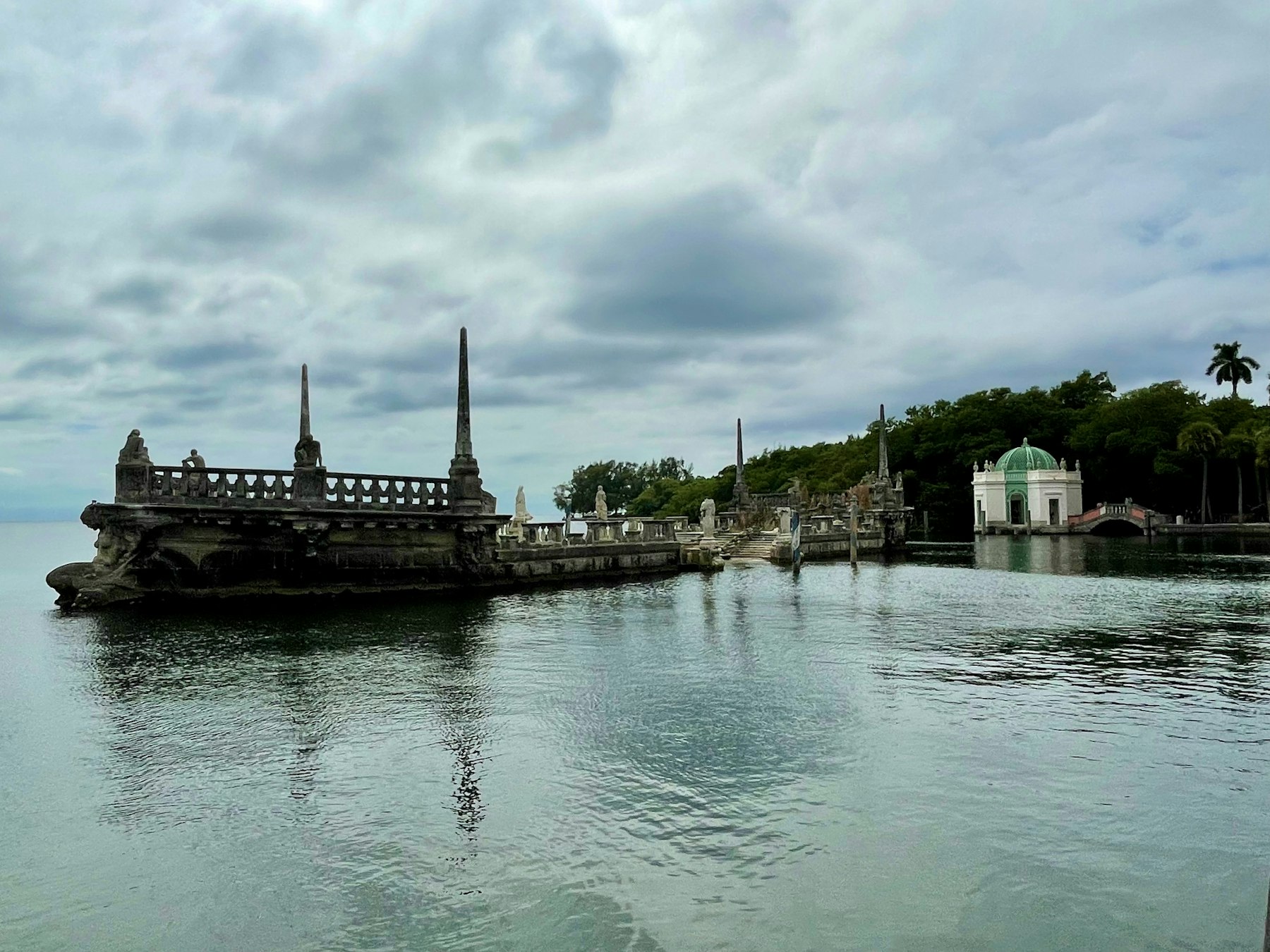
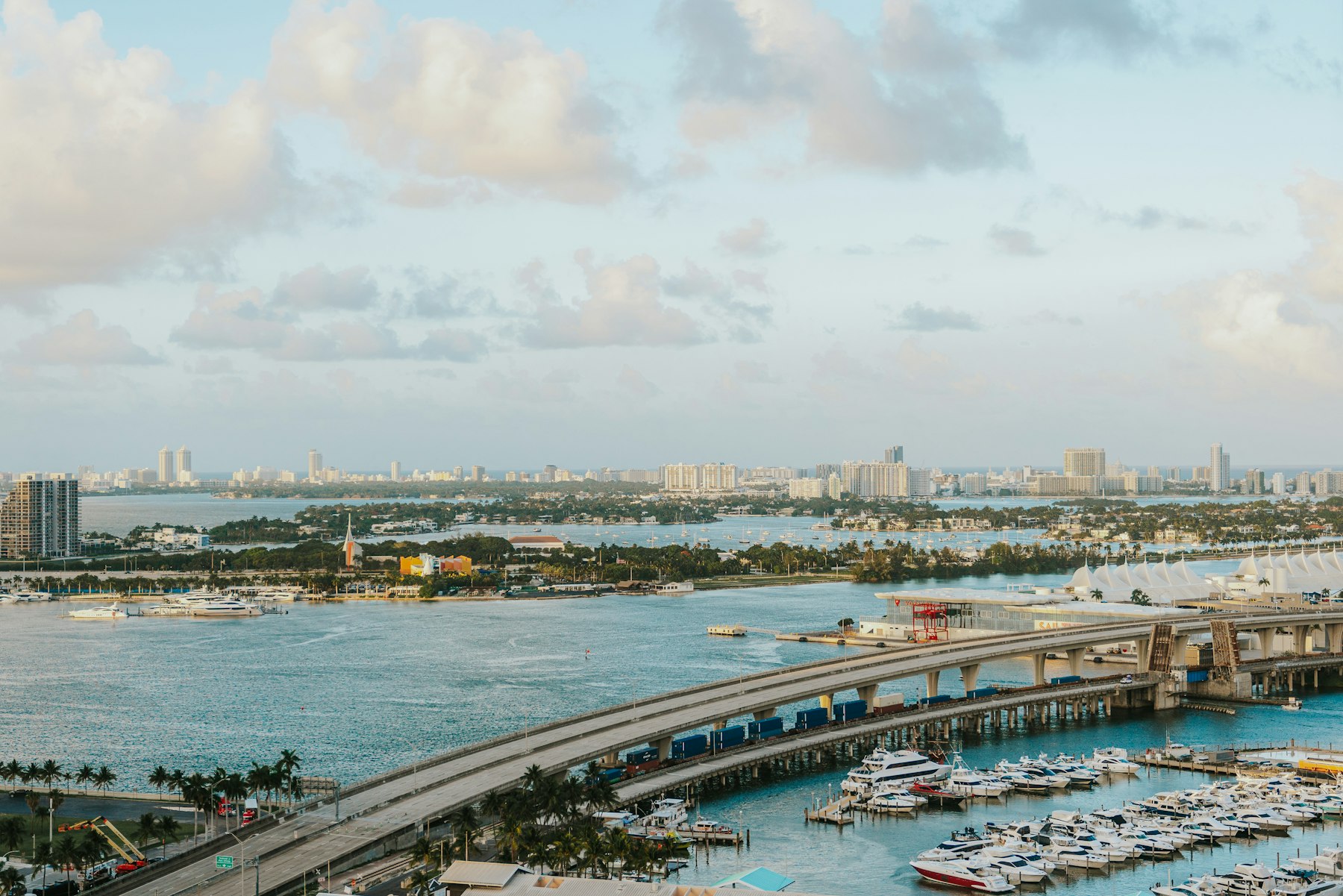
Aerial view of Biscayne Bay, the causeway and the Miami skyline

Miami, Florida · Miami-Dade County

Big city energy.
Sober, and loving it.

Miami has a reputation. Here’s the version they don’t put on the postcards — sunrise paddles, cafecito windows, street art, mangrove trails and one of the biggest recovery communities in the country.

Biscayne Bay · Photo: Oskar Kadaksoo on Unsplash

Welcome to the 305

Let’s talk about
the elephant in the room.

Yes — Miami is famous for nightlife. Rooftop bars, pool parties, the whole neon-lit thing. If you’re in early recovery, that reputation can make the city sound like the last place on earth you should be.

Here’s what locals know: that’s one Miami. There’s another one that wakes up at 6 a.m. to paddle through mangroves, grabs a two-dollar cafecito from a walk-up window, spends Saturday wandering museums and street murals, and fills church halls and community rooms every single night for recovery meetings. That second Miami is huge. And it’s the one we live in.

Recover at Monarch is a women’s sober living home in North Miami, on a quiet, tree-shaded street just off Biscayne Boulevard — close enough to everything, far enough from the noise. Take a look around the home or flip through the photo gallery.

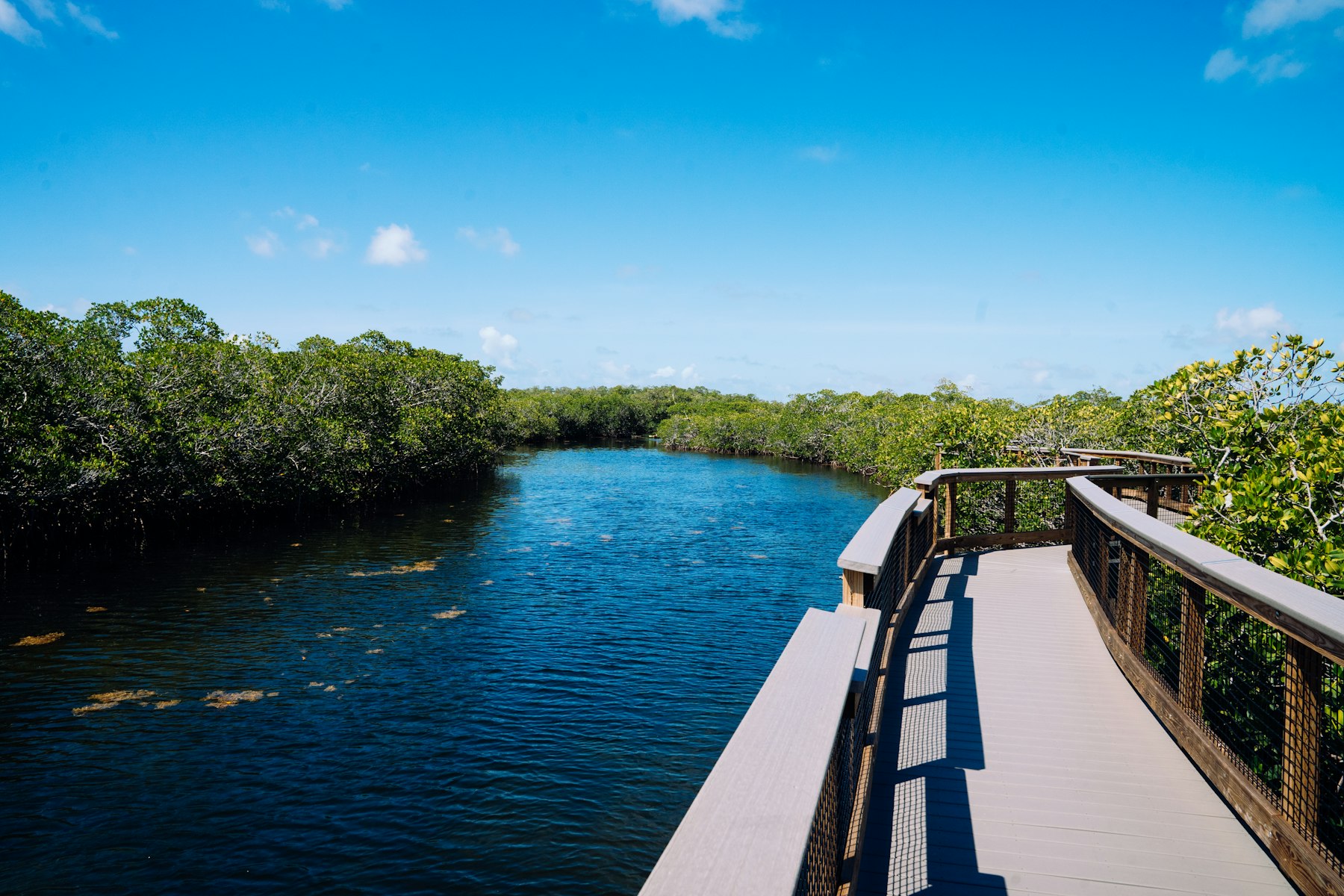
A wooden boardwalk alongside mangroves and calm blue water

Photo: Sebastian Frederik Jacobsen on Unsplash

Sober living in Miami

Why so many women get sober here

It isn’t an accident that South Florida became one of America’s recovery capitals. A few honest reasons it works:

  • Meetings around the clock. Miami-Dade’s AA service office lists meetings from early morning to late night, in English and Spanish, in person and online — browse the Miami-Dade AA meeting directory. New to meetings? Start with what to expect at your first AA meeting.
  • Care that continues. Outpatient programs, therapists and doctors are close by, so you can keep your clinical support while you live in a structured home. Here’s how sober living and treatment fit together.
  • Work you can actually find. Healthcare, hospitality, retail, education, finance — a big, bilingual economy gives women real options for rebuilding.
  • Sunshine as a strategy. When the weather says “go outside” almost every day of the year, healthy routines get a lot easier to keep.

The catch? A big recovery scene means a wide range of quality. Our straight-talk guide to choosing a women’s sober living home and what rules and costs to expect will help you ask the right questions — of us and of anyone else.

Life in Miami

What everyday life actually feels like

It’s bilingual, and it’s proud of it

Walk into any bakery and you’ll hear Spanish, English and a fluid mix of both. About seven in ten city residents identify as Hispanic or Latino, according to the 2020 census, and the culture shows up everywhere — in the music, the food, the way strangers call you mi amor.

Coffee is a social ritual — and it’s the sober kind

Miami runs on cafecito: a thimble-sized, sugar-whipped Cuban espresso, usually ordered at a walk-up ventanita and shared in tiny cups. Locals even joke about a 3:05 p.m. cafecito break — a nod to the 305 area code. It’s one of the easiest ways to be social in this city without a drink anywhere in sight.

The weather sets the schedule

Miami has a tropical monsoon climate. Winters are warm, dry and glorious; summers are hot, humid and punctuated by short afternoon thunderstorms. Locals do outdoor things early and late, and save midday for air conditioning. Hurricane season runs June through November — any good home will have a plan, and you should ask about it.

Navigating the party reputation

You don’t have to avoid the whole city to protect your sobriety; you just need a plan. Go with a sober friend. Choose daytime events. Drive yourself so you can leave. Order a mocktail without apologising. And keep your sponsor’s number at the top of your phone — if you don’t have one yet, read what an AA sponsor does.
Things to do in Miami

Your sober Miami
bucket list.

Some of these are minutes from the house. Some are a proper day out. All of them are better with a housemate. For more ideas, see sober activities for women in recovery.

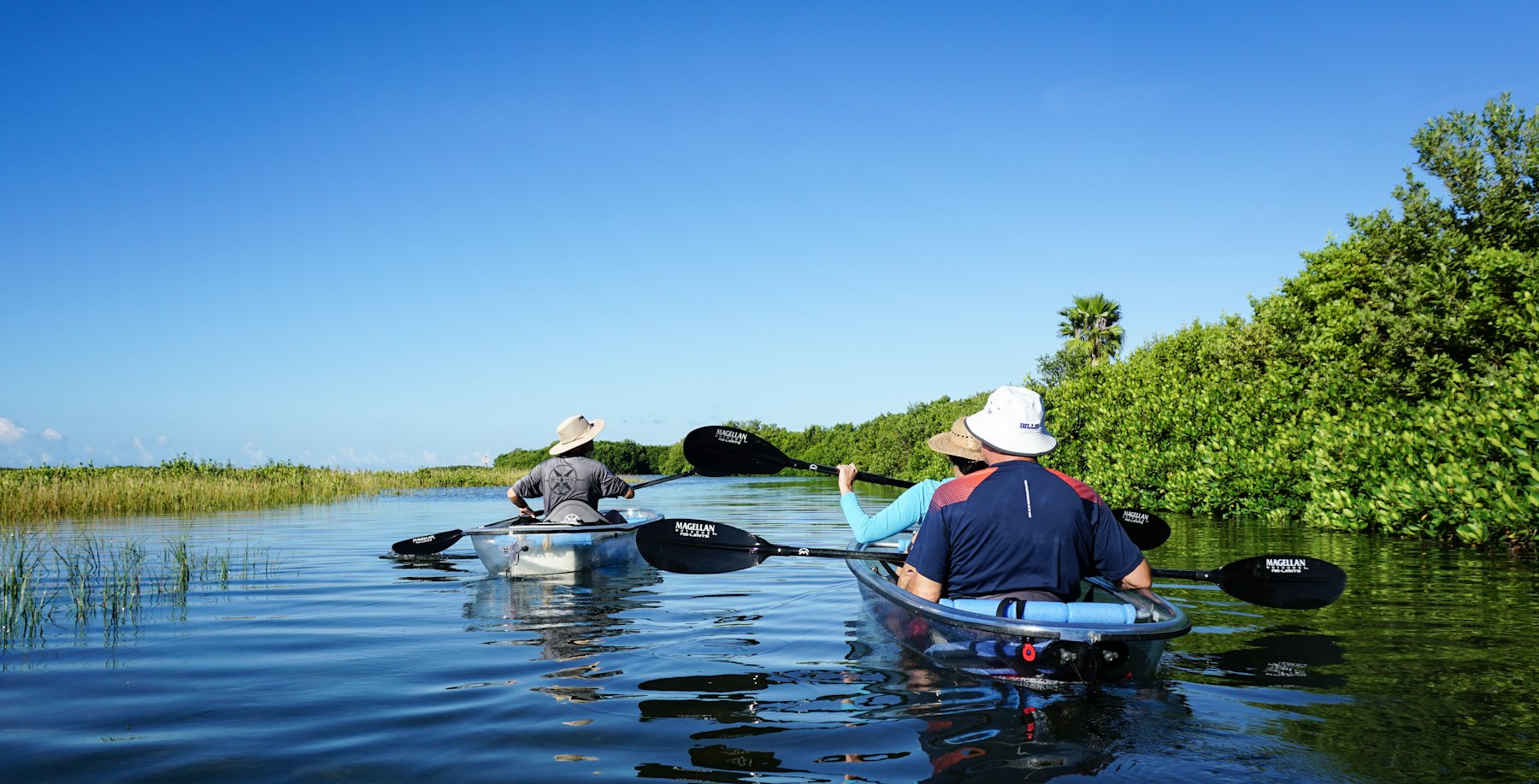
Two kayakers paddling through a mangrove-lined waterway

Photo: The Tampa Bay Estuary Program on Unsplash

Close to home · North Miami Beach

Oleta River State Park

Just over a thousand acres of mangroves, paddling trails, mountain-bike loops and a calm lagoon beach — and it’s only a few minutes from our front door. Rent a kayak and get lost (gently) in the mangrove tunnels. Park info.

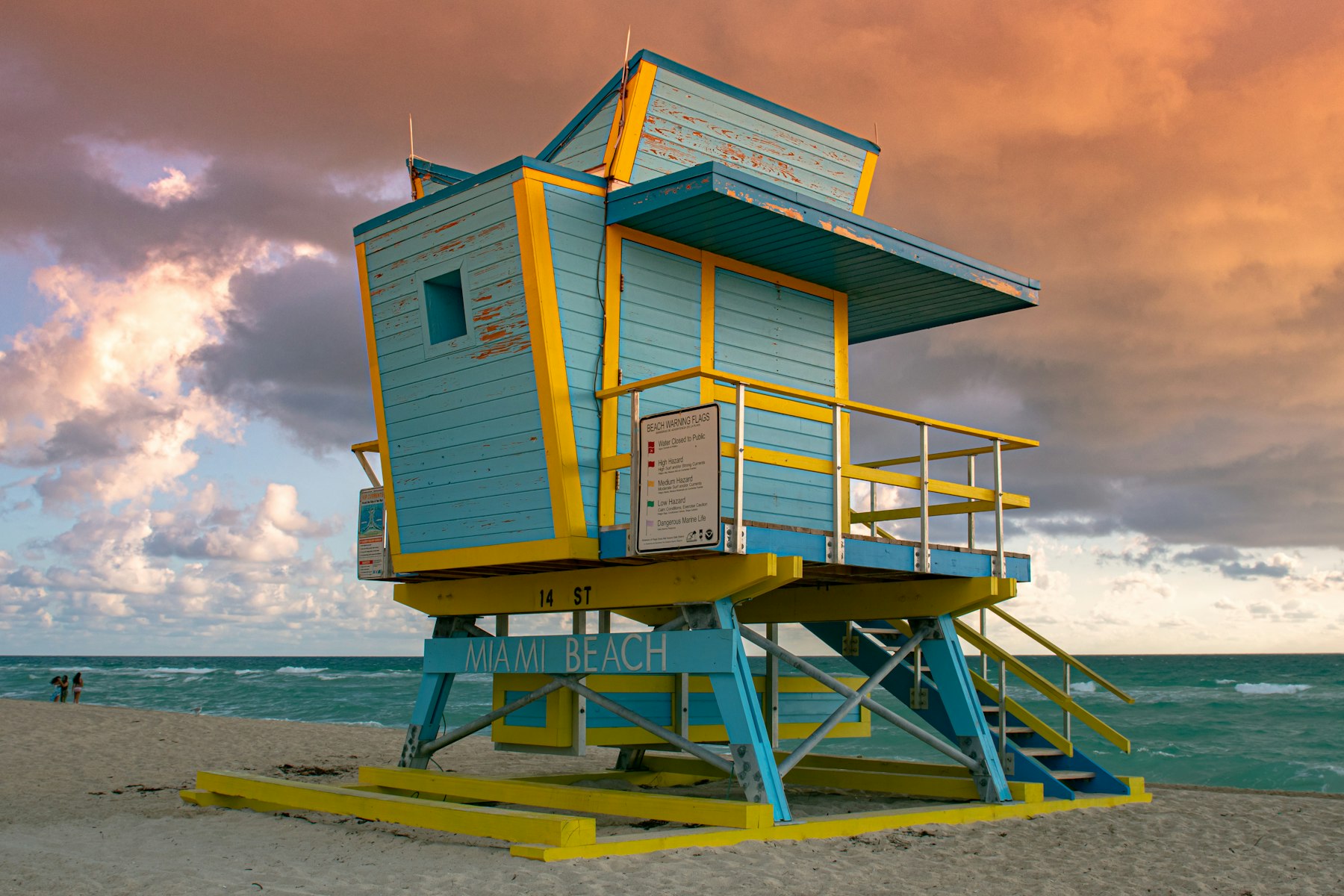
A pastel lifeguard tower on the beach at sunrise

Photo: Wynand van Poortvliet on Unsplash

Close to home · Bal Harbour

Haulover Park

A 177-acre county park with 1.4 miles of lifeguarded beach, a marina, bike rentals and one of the best kite-flying fields in South Florida. Heads up: there’s a clothing-optional section at the north end — stick to the main beach. Miami-Dade Parks.

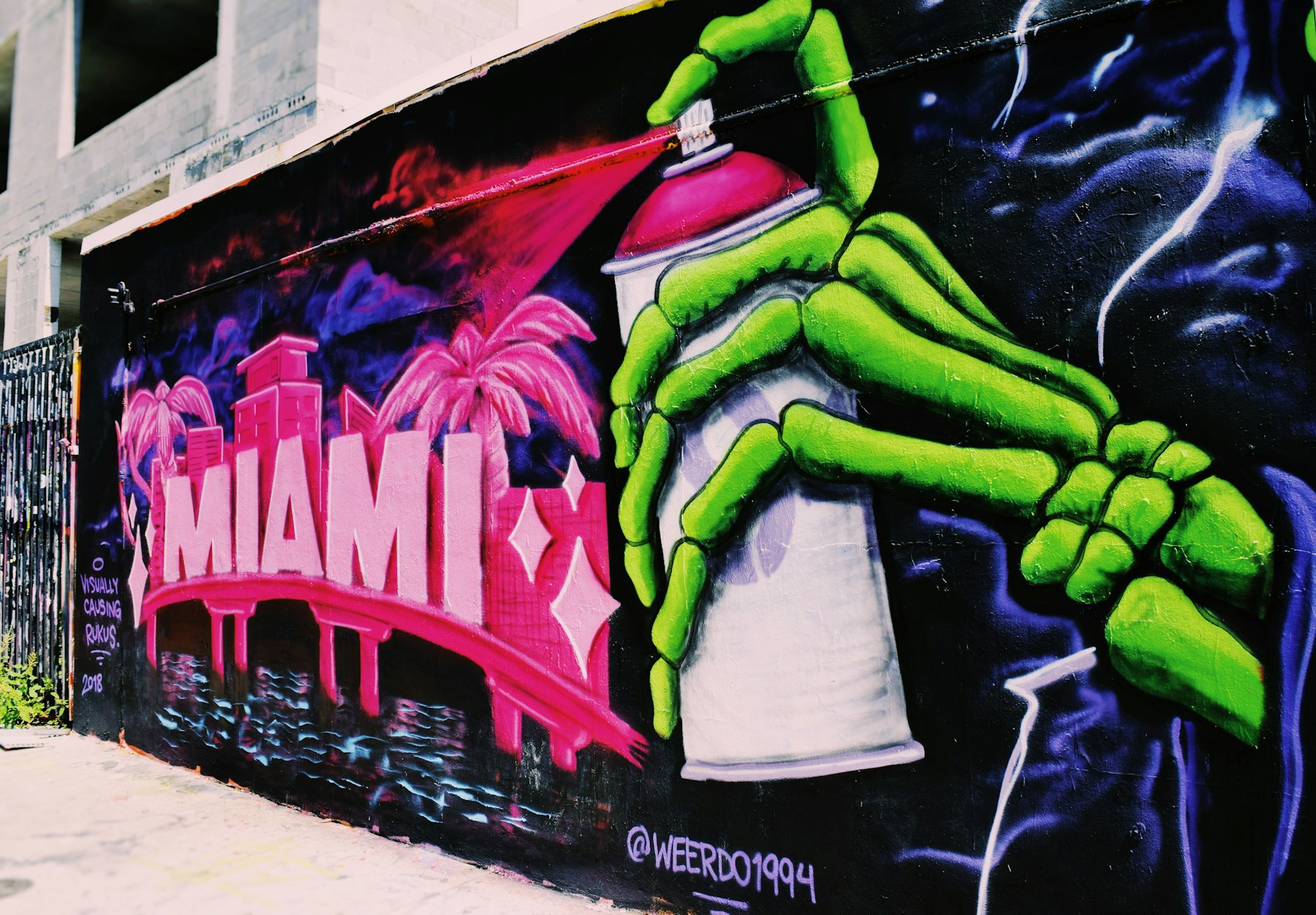
A bold Miami street art mural in Wynwood

Photo: naomi tamar on Unsplash

City day · Wynwood

Wynwood Walls & the street art district

Blocks of warehouse walls turned into giant murals. Go on a weekday morning, camera in hand, before the crowds (and the bar scene) wake up. Visitor guide.

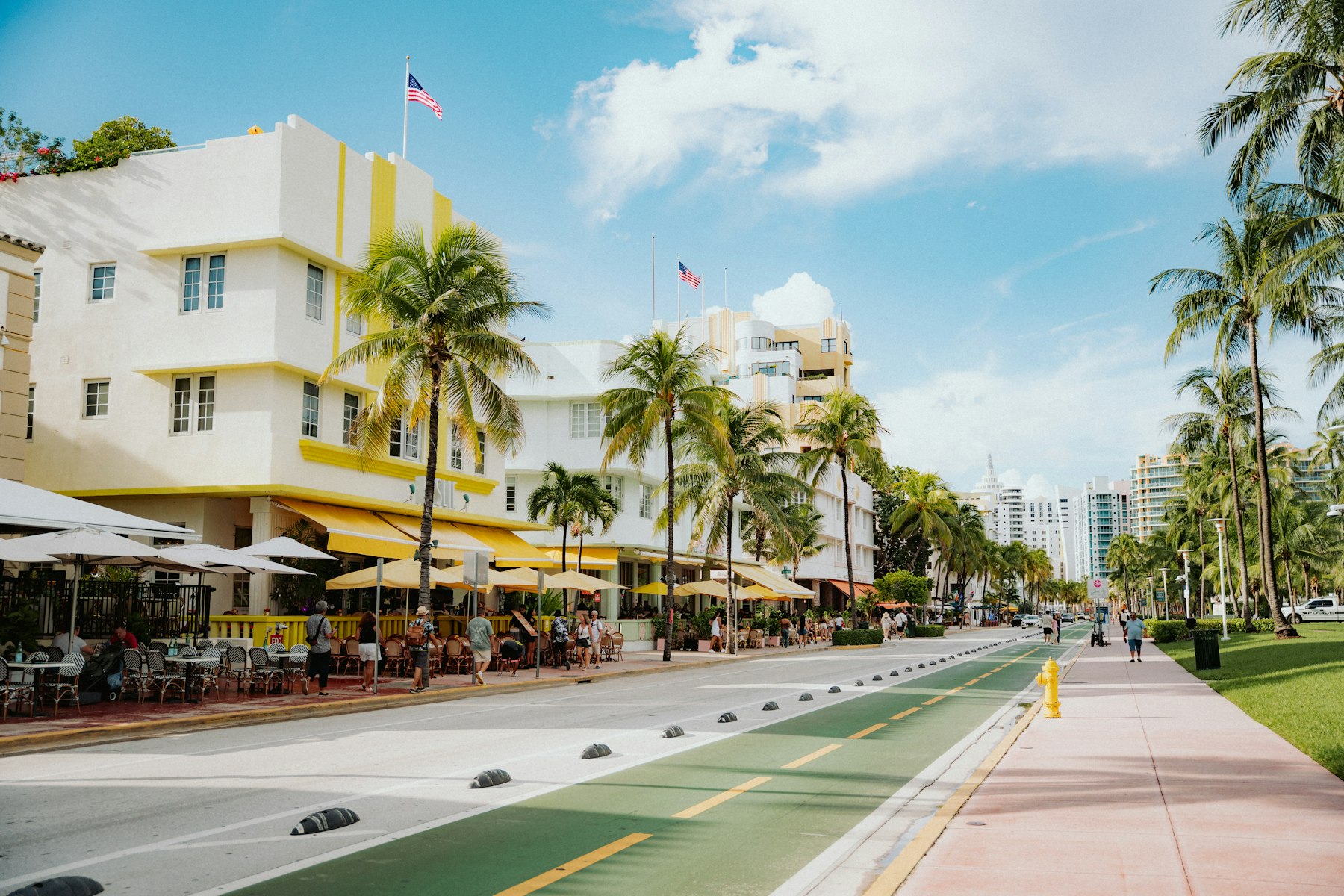
Pastel Art Deco hotels and palm trees along a Miami Beach street

Photo: Luise and Nic on Unsplash

City day · Miami Beach

The Art Deco District

Nearly a thousand historic buildings in candy-coloured pastels. The architecture walk is free, the ocean is right there, and morning is the most peaceful time to see it. History.

The stone barge at Vizcaya on Biscayne Bay

Photo: Melissa on Unsplash

Slow afternoon · Coconut Grove

Vizcaya Museum & Gardens

A 1910s bayfront villa with formal Italian-style gardens, stone terraces and a carved breakwater barge. Gorgeous, calm and endlessly walkable. Plan a visit.

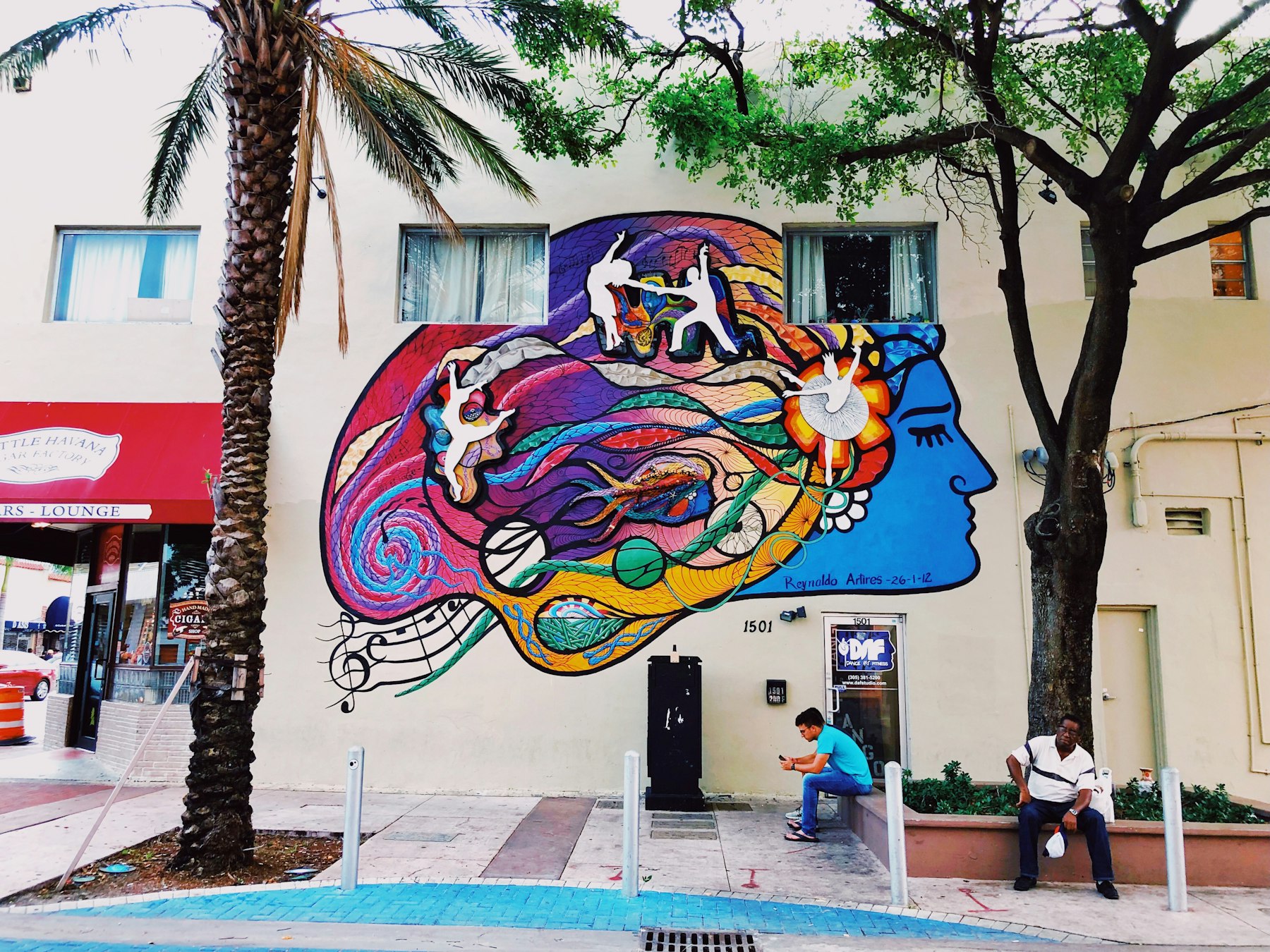
Street mural and storefronts in Little Havana

Photo: naomi tamar on Unsplash

Culture · Little Havana

Calle Ocho

SW 8th Street is the heart of Cuban Miami: domino players at Máximo Gómez Park, guava pastries, cigar rollers and that cafecito window you’ll keep coming back to.

Wild Miami: two national parks

Head west and you reach Everglades National Park — 1.5 million acres of wetland, forest and marine habitat. Head south and you’ll find Biscayne National Park, which is about 95% water: coral reefs, mangrove shoreline and the northernmost Florida Keys. Both make an unforgettable sober day trip.

Fun facts

10 things you might
not know about Miami.

  1. It’s only about 130 years old.Miami was incorporated on July 28, 1896, with just over 300 residents. (Source)
  2. A woman founded it.Julia Tuttle, a citrus grower, is credited as Miami’s founder — it’s often called the only major U.S. city founded by a woman. (Source)
  3. “The Magic City” is a growth story.The nickname came from winter visitors stunned by how fast the young city was growing. (Source)
  4. It’s small… and huge.The city itself counted 442,241 people in the 2020 census, but the wider metro area is home to roughly 6.4 million. (Source)
  5. Two national parks, one city.Miami sits between the Everglades to the west and Biscayne Bay to the east — with Everglades and Biscayne national parks both within a day trip. (NPS)
  6. One national park is mostly underwater.About 95% of Biscayne National Park is water, protecting coral reefs and the northernmost Florida Keys. (NPS)
  7. It’s the Cruise Capital of the World.PortMiami welcomed its 10 millionth cruise passenger of the year in September 2026 — an all-time record. (Source)
  8. Art Deco, by the hundreds.The Miami Beach Architectural District holds about 960 historic buildings and joined the National Register of Historic Places on May 14, 1979. (Source)
  9. A Gilded Age villa on the bay.Vizcaya was built for industrialist James Deering, mainly between 1914 and 1922, and became a National Historic Landmark in 1994. (Source)
  10. Barely above sea level.Most Miami neighbourhoods sit around 6 feet above sea level, on a broad plain between the Everglades and Biscayne Bay. (Source)

Where we are

North Miami,
just off Biscayne.

Recover at Monarch
947 NE 149th St
Miami, FL 33161

A quiet residential street minutes from Biscayne Boulevard, Oleta River State Park, Haulover Beach, the Museum of Contemporary Art North Miami (MOCA) and plenty of meetings. Tours are by appointment.

Opening hours, fees and park rules change — check each official site before you go. Recover at Monarch is not affiliated with Alcoholics Anonymous or any of the places listed here.

Golden hour

Your next chapter
begins here.

One conversation can be the beginning of something new.