
Dear you, on day one —
We’re writing this as a letter because milestones are personal, and because nobody ever explains them properly. People tell you to count days. They hand you a chip or a keytag. They clap. But nobody tells you what 30 days sober actually feels like from the inside, or why 60 days can be harder than 30, or what changes — and what doesn’t — at 90 days or one year.
So here is what we’ve learned from women who walked this road before you, and from the research that supports it. Everyone’s path is different. Some of this will fit you exactly; some won’t fit at all. Take what helps.
Why sobriety milestones matter at all
You might wonder why counting days matters. Isn’t recovery about the whole life, not the number?
It is. But in the beginning, the whole life is too big to hold. A number is small enough to carry. “I haven’t had a drink today” is something you can actually do. Thirty of those days strung together is evidence — proof, to yourself and to the people who love you, that change is happening.
Milestones also give the people around you a way to celebrate you. In many AA and NA groups, members receive a chip or keytag at certain points: 24 hours, 30 days, 60 days, 90 days, six months, nine months, one year and every year after. Customs vary from group to group, and nobody will force you to stand up. But when you hear the room cheer for you, something shifts. You realise you belong somewhere.
Finally, milestones give you natural moments to look back and notice what has changed. That reflection is quietly powerful.

Quiet mornings start to feel different · Photo: Kelly Sikkema on Unsplash
The first week: just get to tomorrow
Let’s start before the first milestone. The first days of sobriety are often the most physically and emotionally intense. If you are stopping alcohol or other substances after heavy use, please don’t do it alone: withdrawal can be dangerous, and medical supervision may be necessary. A doctor, a detox program or SAMHSA’s free National Helpline at 1-800-662-4357 can help you figure out what’s safe.
Once you are medically stable, the first week is mostly about survival and structure. Eat something. Sleep when you can. Go to a meeting. Call someone. Do it again tomorrow. That’s enough.
30 days sober: the fog begins to lift
Thirty days sober is the first milestone most people celebrate, and it deserves a celebration. A month ago you may not have believed you could go a week.
What 30 days can feel like
- Clearer mornings. Many women notice they wake up with more energy and less dread.
- Restless evenings. The hours when you used to drink or use can feel long and empty. That’s normal — and it’s why evening meetings and housemates help so much.
- Emotional weather. Feelings that were numbed can return all at once: grief, guilt, irritation, unexpected laughter. You may cry at commercials. It passes.
- Sleep that’s still finding its rhythm. Sleep may be patchy at first. A steady bedtime and a quiet room help.
What helps at 30 days
Keep everything simple and repeatable. A daily meeting. A daily call. Regular meals. Gentle movement — a walk by the water counts. If you haven’t already, start thinking about a sponsor. Our guide, What Does an AA Sponsor Do?, explains how to find one.
And celebrate. Take the chip. Let people hug you. Tell someone who has been worried about you. Thirty days matters.

Every sunrise is another beginning · Photo: Nick Mahan on Unsplash
60 days sober: the honest middle
Here is something people rarely mention: sixty days sober can be harder than thirty.
The early adrenaline — the pride, the novelty, the “pink cloud” some people describe — can fade around now. Life starts to feel ordinary again, and ordinary can be uncomfortable. Old problems that were hidden under the chaos are suddenly visible: the bills, the relationships, the job, the questions about who you are without the substance.
What 60 days can feel like
- Boredom. Without the drama, days can feel flat. This is not a sign that sobriety isn’t working; it’s a sign that your nervous system is calming down.
- Overconfidence. Some women feel so much better that they start to wonder whether they really had a problem. That thought is worth saying out loud to your sponsor.
- Real progress. Many people notice better concentration, steadier moods and healthier eating by now.
What helps at 60 days
Keep showing up even when it feels unnecessary — especially then. Start step work in earnest. Build small, satisfying routines: cooking a real dinner, a weekly class, a Saturday-morning walk. Our article on building healthy routines in early recovery has ideas. Make a simple relapse-prevention plan with your sponsor or counsellor: your warning signs, your people to call, and what you will do instead.
90 days sober: a turning point
Ninety days is one of the most meaningful milestones in early recovery. It’s the length of the classic “90 meetings in 90 days” suggestion, and many women describe it as the moment sobriety stops feeling like an experiment and starts feeling like a life.
What 90 days can feel like
- More stability. Sleep, appetite and mood are often noticeably steadier.
- Repaired trust, in small ways. Family may start answering the phone differently. A friend may invite you to something again.
- A sense of identity. You may hear yourself say “I’m sober” without flinching.
- New honesty. With a clearer head, deeper issues may surface. This is often when women benefit most from therapy alongside meetings.
What helps at 90 days
Celebrate properly — dinner with housemates, a sunrise at the beach, a letter to yourself. Then look ahead. At ninety days many women begin planning the next stage: returning to work or school, rebuilding finances, deciding how long to stay in sober living. Our guide to life skills for independent living helps with that planning.
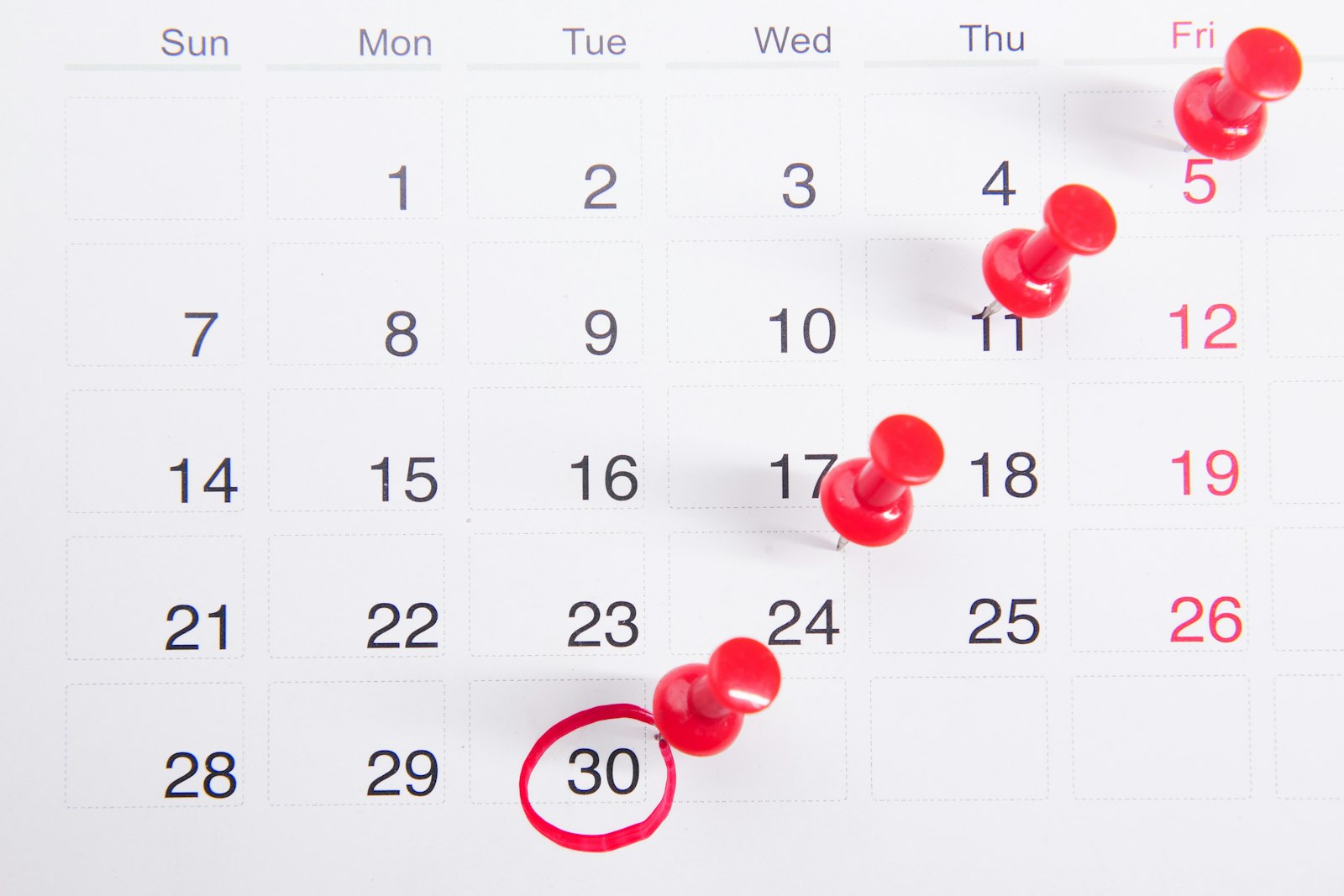
One day at a time, counted · Photo: Towfiqu barbhuiya on Unsplash
Six months and nine months: building a life
Between ninety days and a year, recovery tends to become less about not drinking and more about living. You may be working, studying, volunteering, sponsoring someone newer, or simply enjoying the strange pleasure of a quiet Sunday.
This is also a season where complacency can creep in. Meetings slip from five a week to two. Phone calls get shorter. That’s not automatically a problem — life is supposed to expand — but it’s worth checking in with yourself honestly once a month: Am I still doing the things that got me here?
This is a beautiful time to give back. Making coffee at a meeting, welcoming a newcomer, sharing your experience at day sixty with someone at day six. Service has a way of reminding you how far you’ve come.
One year sober: your first sober anniversary
One year. Three hundred and sixty-five days. A full lap around the sun — every birthday, every holiday, every hard anniversary, every ordinary Tuesday — without the substance.
Your first sober anniversary is often emotional in ways you don’t expect. Many women describe a mix of pride, grief for what was lost, gratitude for who stayed, and amazement at who they are becoming. In many AA groups, a one-year anniversary is marked with a coin and sometimes a cake, and you may be invited to share your story. You can say yes or no.
Ideas for celebrating your first sober anniversary in Miami
- Watch the sunrise over the Atlantic with the people who helped you get here.
- Write a letter to the woman you were on day one — or read this one again.
- Paddle the mangrove trails at Oleta River State Park, or spend an afternoon in the gardens at Vizcaya.
- Take your sponsor out for a cafecito and say thank you.
- Start something new: a class, a savings goal, a creative project.
For more ideas, see sober activities in Miami and South Florida and Life in Miami.
A small ritual for any milestone
Whatever number you’re marking, try this. Find a quiet spot — a bench by the water, your bed with the door closed, the backyard at golden hour. Write three short lists: what I let go of, what I gained, and what I want next. Keep the page. On your next milestone, read it again before you write a new one. Over a year, those pages become a map of the woman you are becoming.
What if you relapse before a milestone?
We would be dishonest if we didn’t talk about this. Relapse is part of many recovery stories. It does not erase what you learned, and it does not mean you can’t get sober. If it happens, the most important thing is what you do next: tell someone, get safe, and get back to the support that was working.
The National Institute on Alcohol Abuse and Alcoholism emphasises ongoing support after treatment as part of long-term recovery. If you’ve slipped, reconnecting quickly with meetings, your sponsor, your counsellor or your doctor is the brave and right move. Your next day one is still a day one.
And remember: a number is a tool, not a verdict. Some of the wisest women in the rooms have more than one start date.
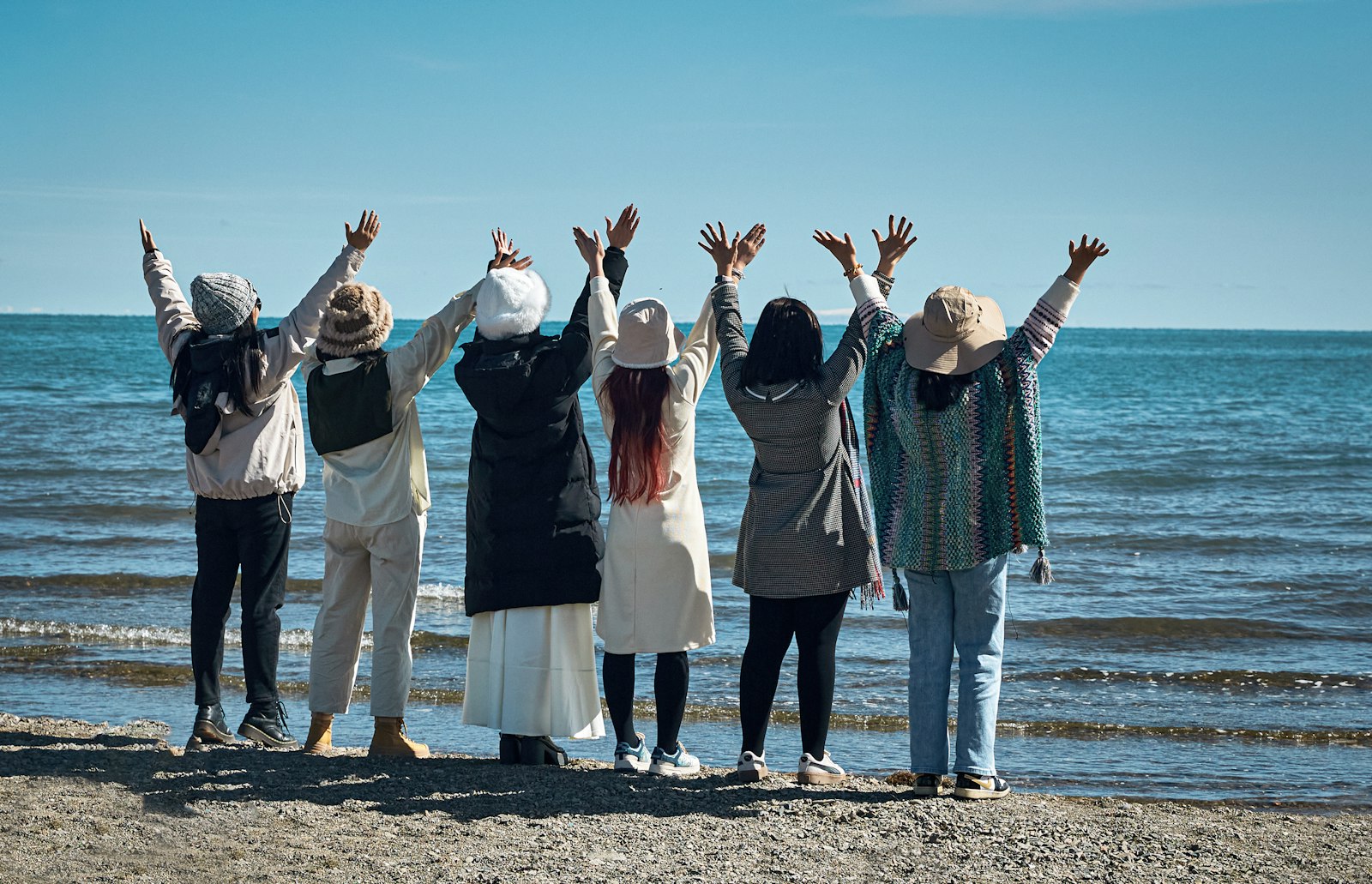
For families: how to celebrate a loved one’s milestone
If someone you love is approaching 30 days, 90 days or one year, you may be unsure what to say. Here are a few gentle suggestions from women who have been on the receiving end:
- Say it simply. “I’m proud of you” is more than enough. You don’t need a speech.
- Celebrate the person, not just the number. Mention something specific you’ve noticed: she laughs more, she called on your birthday, she showed up.
- Choose sober-friendly plans. Breakfast, a beach walk, a museum, a movie. Skip the celebratory toast.
- Don’t make it about the past. A milestone is a chance to look forward, not to revisit every hard moment.
- Ask before posting. Some people love a public celebration; others value their anonymity. Let her decide.
Families often find their own support helpful along the way. Our guide to NA and Al-Anon meetings in Miami explains where to start.
How sober living supports every milestone
A structured home won’t do the work for you, but it can make the work easier. In a women’s sober living home, the first 30, 60 and 90 days have a built-in rhythm: house meetings, chores, curfew, shared dinners, rides to AA. When you hit a milestone, there are women down the hall who know exactly what it took — and who will be the first to celebrate.
Many residents stay through their first six months or first year, using that time to build savings, routines and a recovery network before living independently. If you’re wondering what to expect, start with A New Beginning: What to Expect in Women’s Sober Living.
Come see where your next milestone could happen
Recover at Monarch · 947 NE 149th St, Miami, FL 33161 · Open in Google Maps
Recover at Monarch is a women’s sober living home at 947 NE 149th St in North Miami. Take a look around our home and the gallery, or call us at (949) 438-8568.
With love, and with a seat saved for you at the table,
The women of Monarch
This article is general education, not medical or clinical advice. Everyone’s recovery is different — please speak with a qualified healthcare provider about your own situation. Recover at Monarch is not affiliated with or endorsed by Alcoholics Anonymous, Narcotics Anonymous or Al-Anon. Meeting times and locations change; confirm with the official directories before you go. If you or someone you love is in immediate danger, call 911. For crisis support, call or text 988. SAMHSA’s National Helpline is free, confidential and available 24/7 at 1-800-662-4357.